Long readTechniques9 min
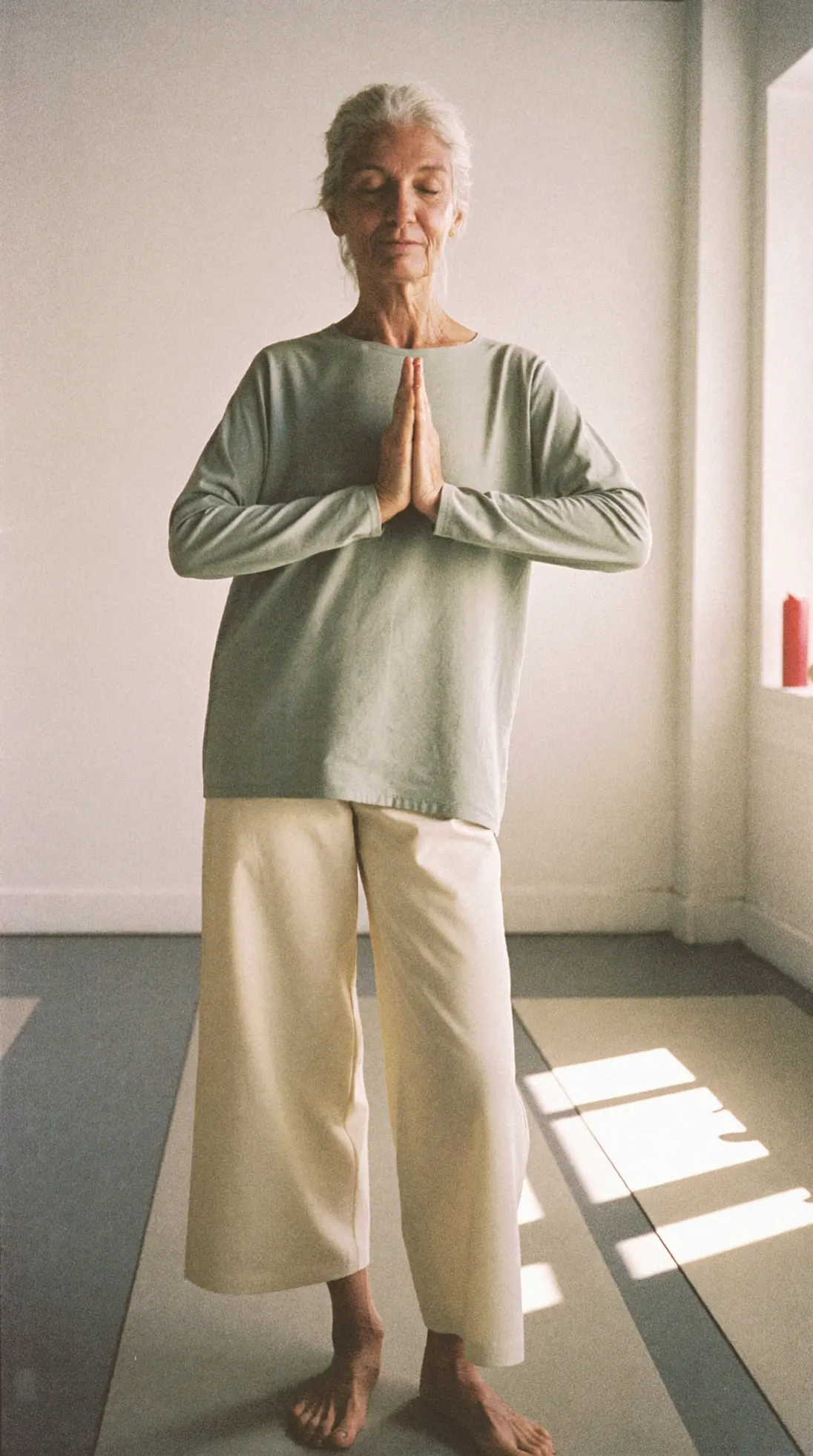
Pranayama: yoga breathing for beginners
The gentle yoga breaths, each ready to play, and the intense ones explained.
Humming bee breath Alternate nostril breathing
Read the guide
17 practices to breathe with and 90 guides to read slowly, for calmer days, better nights and the moments in between.
FeaturedCollectionWinter
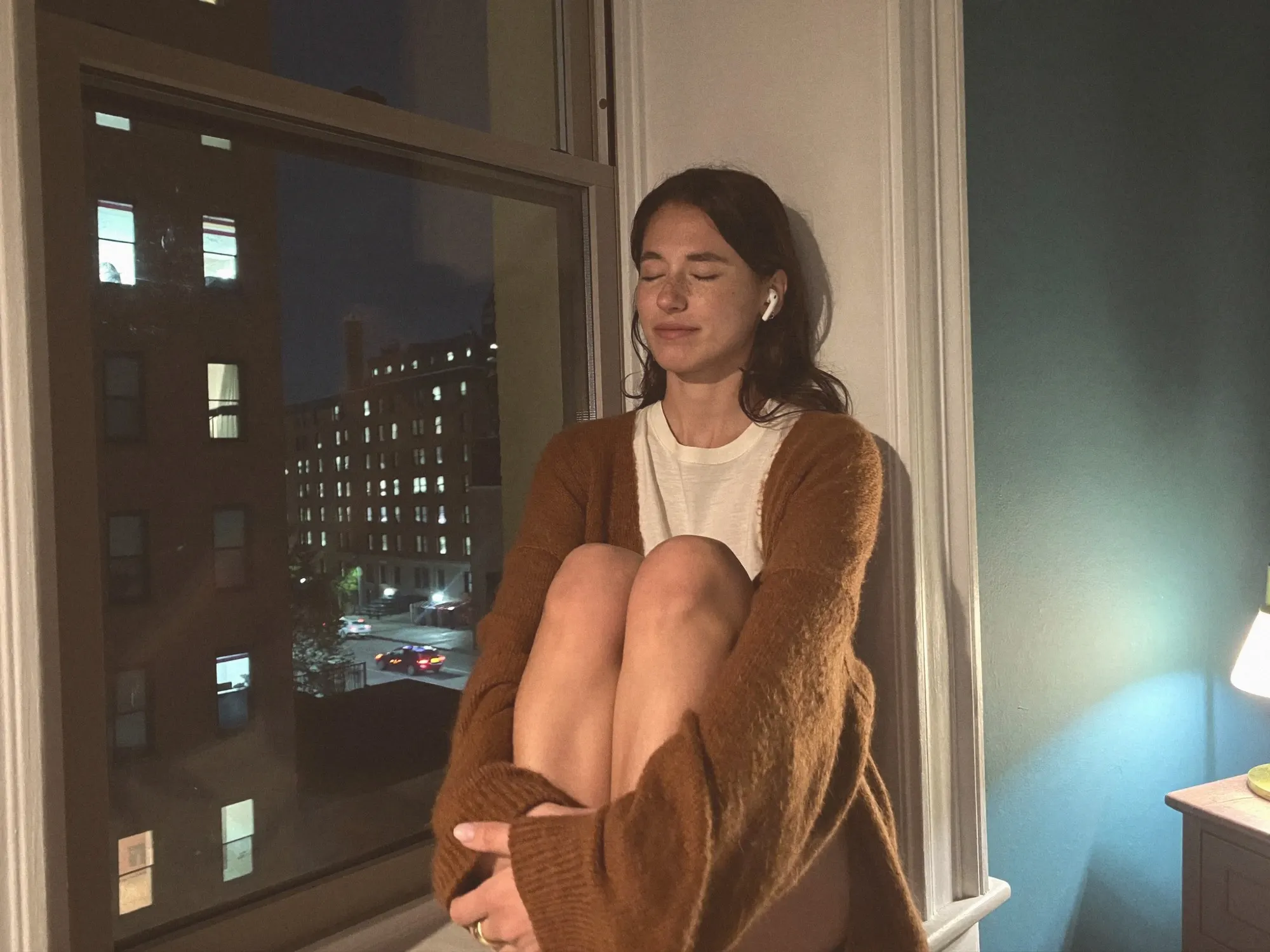
The clocks have gone back. Seven articles for dark evenings, restless nights and mornings that start before the light.
Long read · 9 min
Breathing exercises for sleepTechnique · 7 min
4-7-8 breathing (the relaxing breath)Guide · 5 min
Racing thoughts at nightIn the moment · 5 min
Waking up at 3am? A breath for getting back to sleepTechnique · 6 min
Humming bee breath (bhramari)Technique · 5 min
The military sleep methodIn the moment · 4 min
Morning breathing exercises: a 3-minute routineIn and out the same length
The slowing half takes longer
A pause at the top, the bottom or both
Two breaths in, or a longer in-breath
Long readTechniques9 min
The gentle yoga breaths, each ready to play, and the intense ones explained.
Humming bee breath Alternate nostril breathing
Read the guideLong read · Calm · 10 min
Breathing exercises for anxietyWhen anxiety climbs, the breath goes first. Here’s how to bring it back.
Long read · Body · 10 min
How to calm your nervous system“Regulate”, “reset”, “dysregulated”: what slow breathing actually does.
Long read · Sleep · 9 min
Breathing exercises for sleepFour breaths for four kinds of night, and what the research really says.
Long read · Everyday · 7 min
Breathing exercises for focusGive your attention a steady line to follow.
Long read · Learn · 9 min
How to breathe properlyLower, slower, through the nose: the basics, without the lecture.
Slow breathing changes your pace, not your oxygen.
In the moment · 5 min
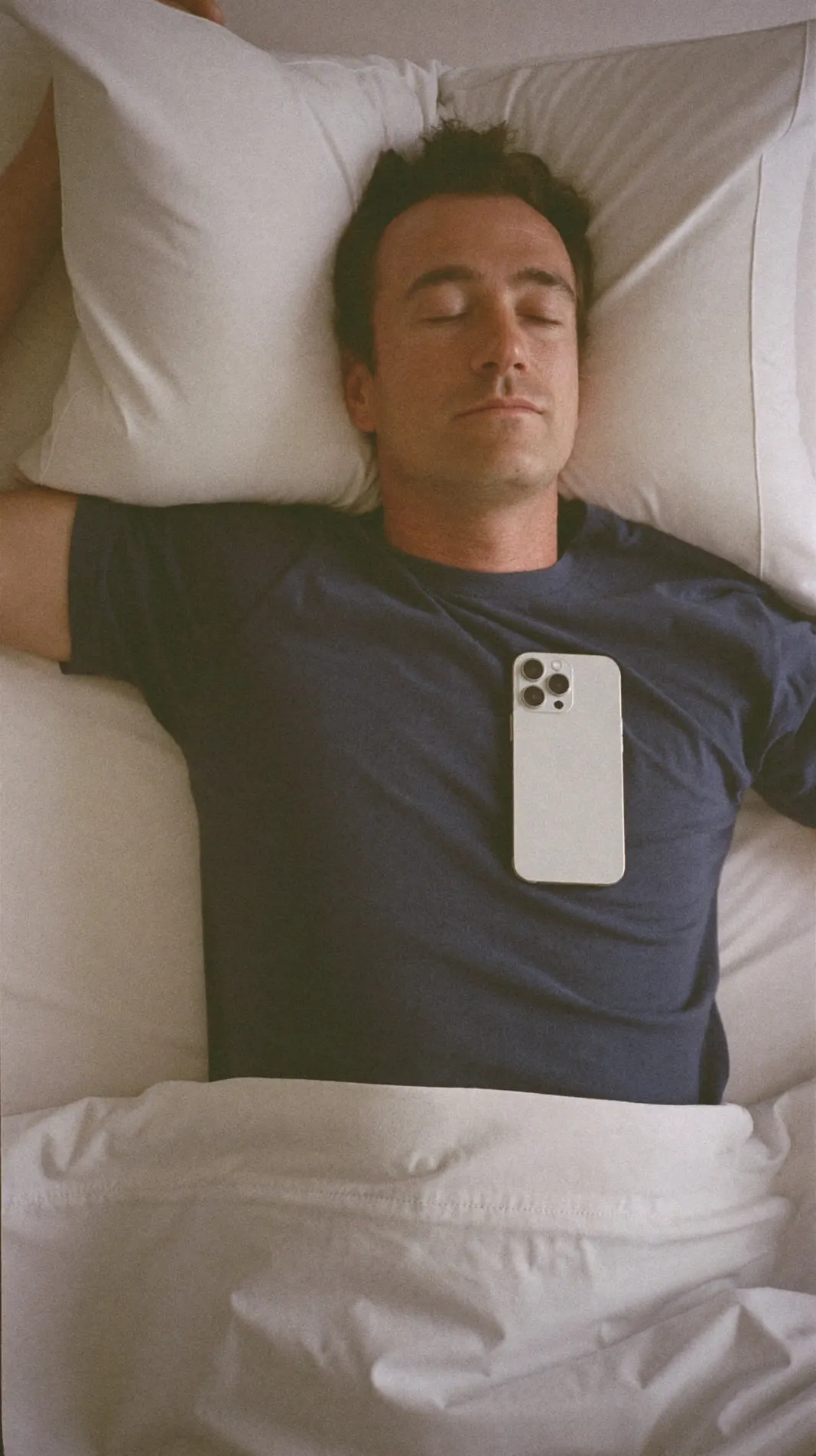
Waking up at 3am? A breath for getting back to sleepDon’t check the time. Hum, quietly, with your lips closed.

In the moment · 5 min
Breathing exercises for public speakingTwo minutes in the corridor, and a small breath before the first word.
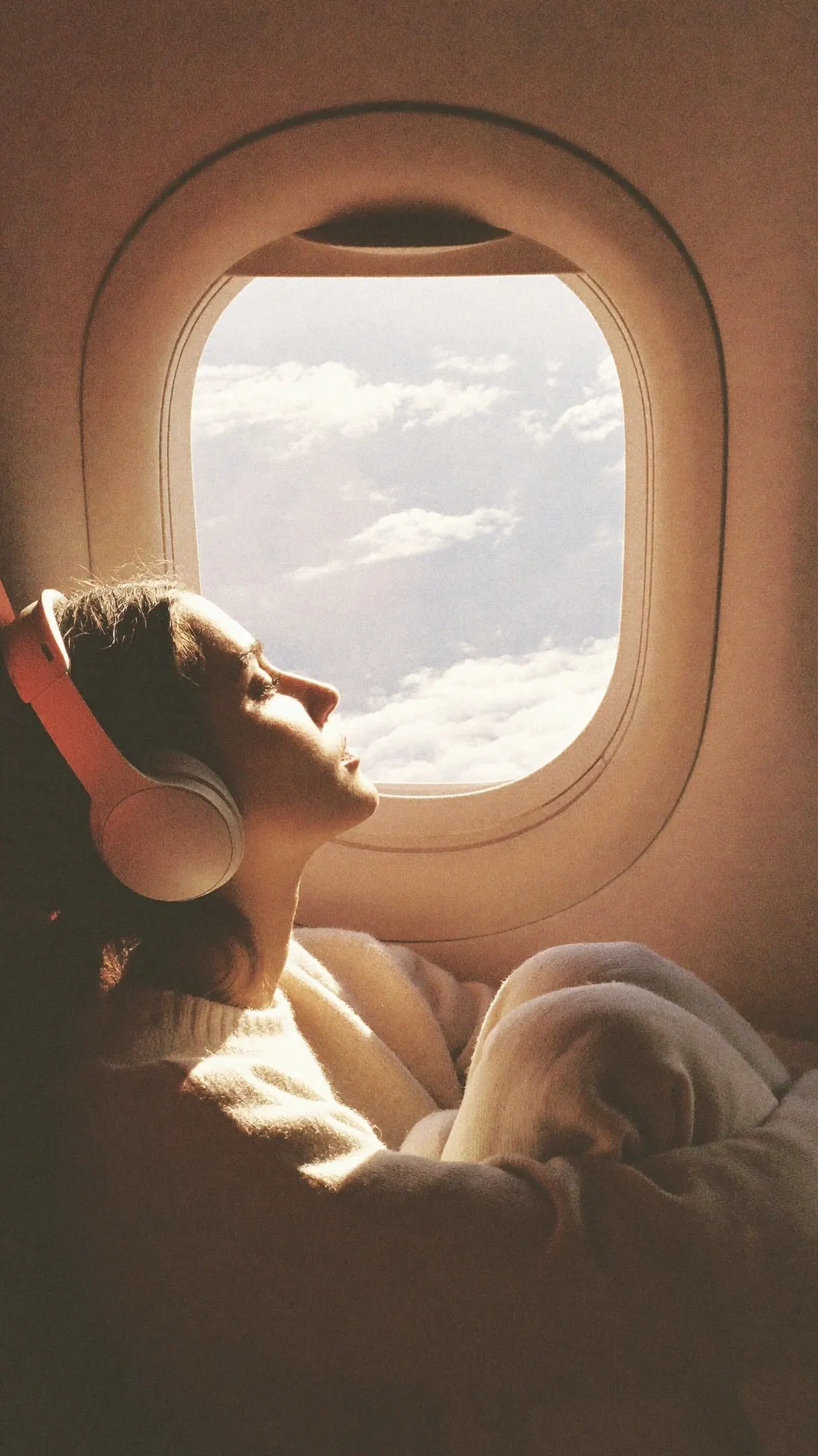
In the moment · 5 min
Breathing for flight anxietyA routine for take-off, and one for the bumps.

In the moment · 4 min
Breathing exercises at workBetween the email and the reply.
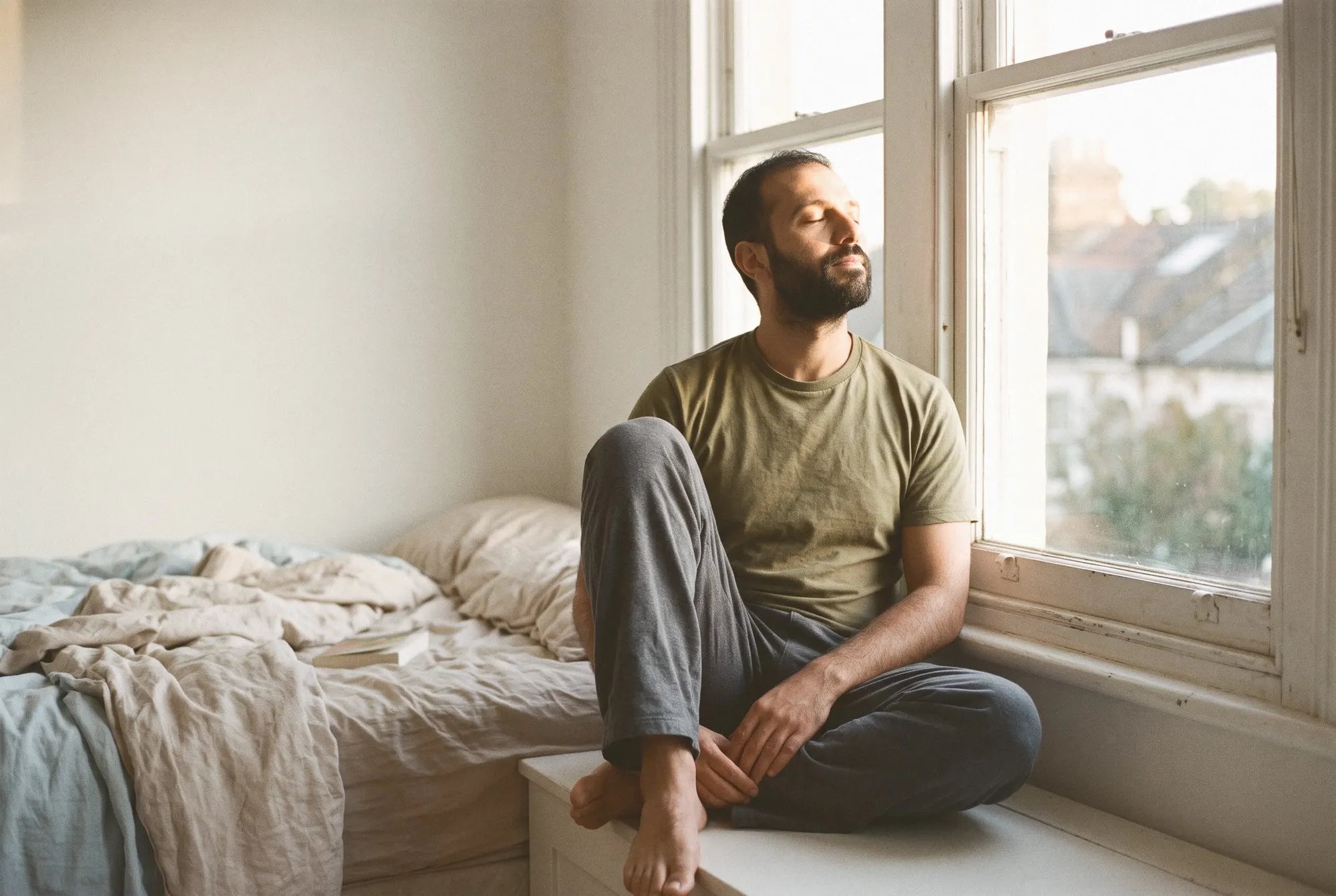
In the moment · 4 min
Morning breathing exercises: a 3-minute routineBefore the phone, before the kettle, before the day asks anything.
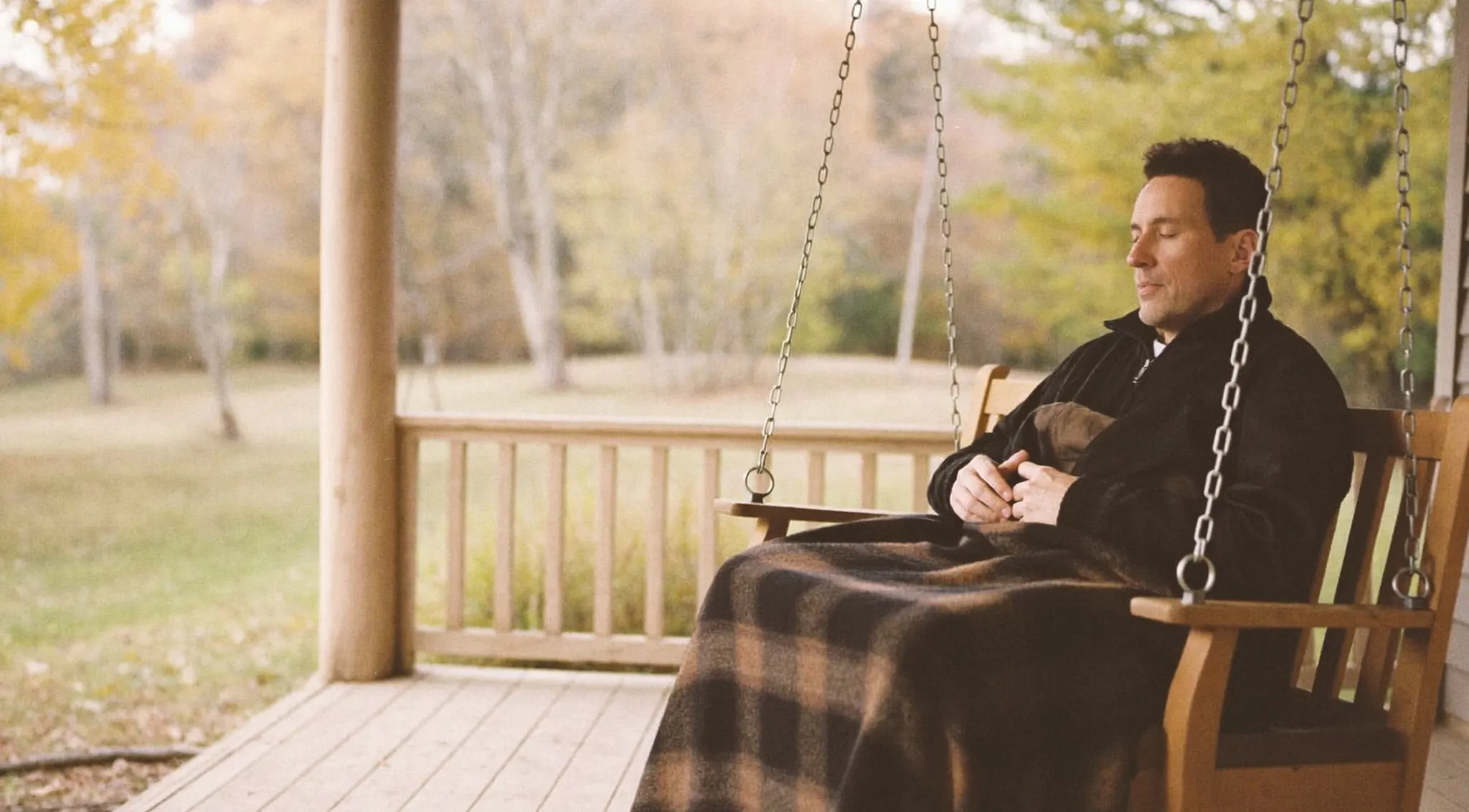
In the moment · 5 min
Nicotine cravings, breath by breathIt rises, peaks and passes. A breath for the minutes in between.
43
fact-checked studies sit behind this library, each with its evidence level.
The science of breathing →How much research is behind each practice
Well studied 2
Some evidence 10
Early research or tradition 5
Start here · 8 min
Breathing exercises for kidsStars, balloons and hot chocolate: breaths to share at bedtime or in class.
Kids · 4 min
Rainbow breathingTrace a rainbow, one colour per breath.
Kids · 4 min
Star breathingUp one point, down the next: five slow breaths around a star.
Kids · 4 min
Balloon breathingFill your tummy like a balloon, then let it float down slowly.
Kids · 4 min
Smell the flower, blow out the candle (hot chocolate breathing)Sniff the flower, blow out the candle, slowly so it doesn’t flicker back.
Kids · 3 min
Lazy 8 breathing (figure 8 breathing)Follow the sideways 8: in up one loop, out round the other.
Kids · 4 min
Animal breaths for kidsSniff like a bunny, hiss like a snake, buzz like a bee.
Kids · 4 min
Lion’s breathBreathe in, then open wide and let out a big lion “haaa”.
Kids · 4 min
Box breathing for kidsTrace a square: in, hold, out, hold, with smaller counts for smaller lungs.
Kids · 4 min
Breathing exercises for kids to sleepA slow, sleepy breath to share in bed, lights low.
7 articles
The talk, the exam, the flight, the hard conversation.
8 articles
For tight chests, racing hearts and the moments that feel like too much.
6 articles
New to this? Six short articles, in order.
Every article in the library, 107 in all, by section. Each sits in one section and may be listed under others too.
Showing 107 of 107
Open the Calm and feelings section
Open the Body and nervous system section
Open the Focus and everyday moments section
Nothing matches yet. Try “sleep”, “anxiety” or “kids”.
Breathe gently, never strain, and stop if you feel dizzy, light-headed or short of breath.
