GuideCalm4 min
How to calm down
Your heart’s going, your thoughts are loud and you’d like it all to stop. Start with your breath: it’s the quickest thing you can change on purpose.
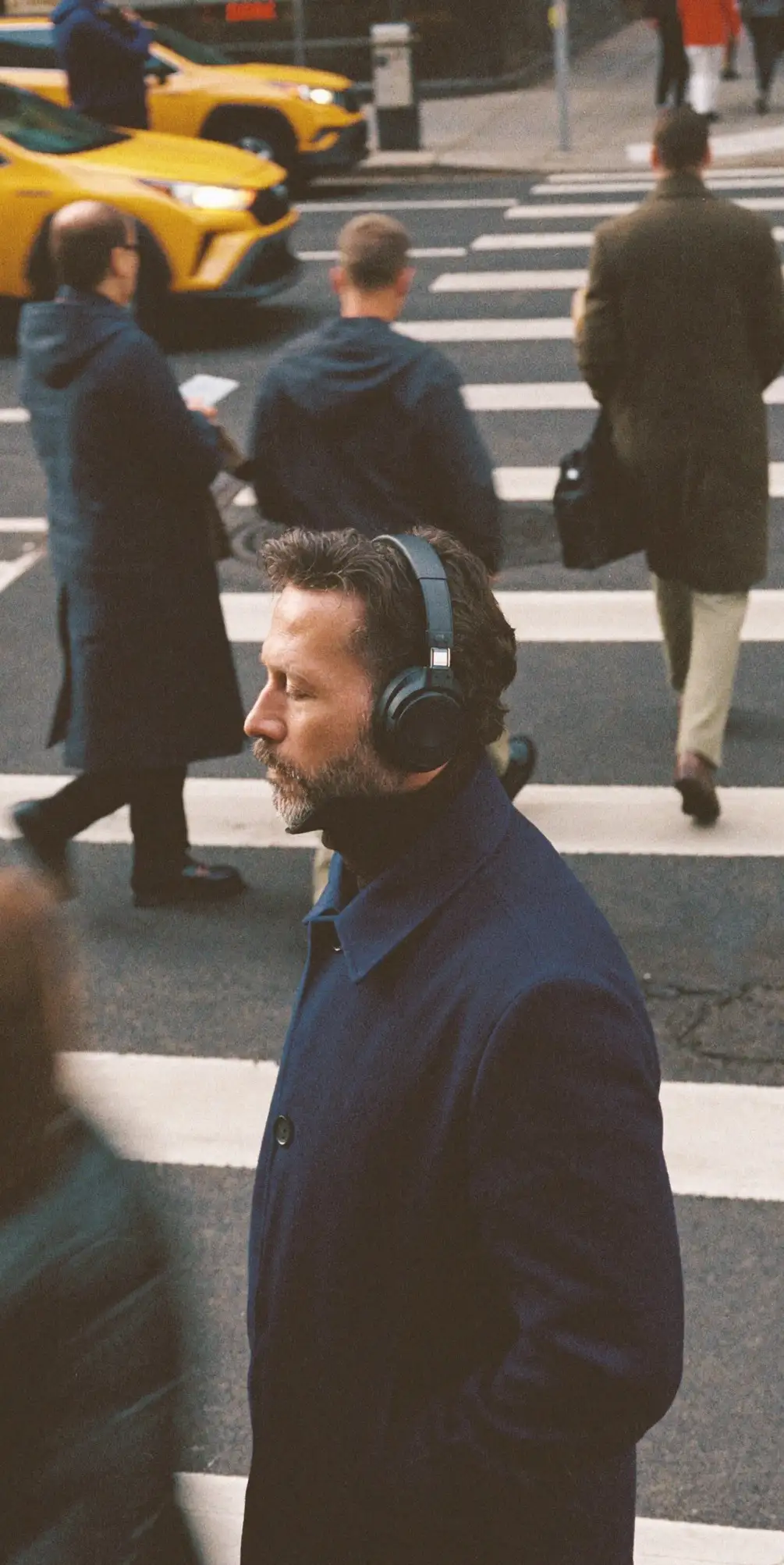
How can I calm down quickly?
Use the sigh above. It’s the same double breath your body takes on its own when it sighs, done on purpose and a little slower.
- Breathe in through your nose for 2 seconds.
- Sip a little more air on top, for 1 second. It can be tiny.
- Breathe out slowly through your mouth for 6 seconds. Let your shoulders drop.
- Repeat two or three times, or for a minute. If you feel light-headed, make the breaths smaller.
You can do it anywhere: at a red light, in the lift, before you open the email.
Why does breathing calm you down?
Your heart speeds up slightly as you breathe in and slows as you breathe out. A long out-breath gives the slowing side more time, and your body reads a slow, easy breath as a sign that nothing urgent is happening.
In a remote trial of 108 adults, 5 minutes a day of cyclic sighing lifted mood and slowed resting breathing more than mindfulness meditation did (Balban et al. 2023). In a small pilot, one minute of it in real tense moments was linked to less anxiety five minutes later (Riedl et al. 2026).
So: a quick, sensible tool, with early evidence that’s promising rather than proven.

How well each breath is studied
- Physiological sighSome evidence
- 4-6 breathingWell studied
- Grounding breathingSome evidence
Every study on this page (2)
- Balban et al., 2023: Five minutes a day of cyclic sighing lifted mood a little more than mindfulness meditation, in 108 adults.
- Riedl et al., 2026: In a small pilot, one minute of box breathing or cyclic sighing in tense moments eased students' anxiety more than no exercise.
What if one breath isn’t enough?
Two backups. Try them in order, or pick the one that fits.
Still wound up? 4-6 breathing for 2 minutes.
No holds, no tricks: in for 4, out for 6.
- Breathe in through your nose for 4 seconds.
- Breathe out slowly for 6 seconds.
- Keep going for 2 minutes, about 12 breaths.
The slow pace does most of the calming, and the longer out-breath makes it easy to feel. More in 4-6 breathing.
Thoughts racing? Try the 3-3-3 rule.
Name three things you can see, three sounds you can hear, then move three parts of your body: fingers, shoulders, feet. Then breathe in for 4 and out for 5 with your eyes open.
The 3-3-3 rule hasn’t been studied, but it moves your attention out of your head and into the room, and it pairs well with a slow breath. More ways in grounding techniques.
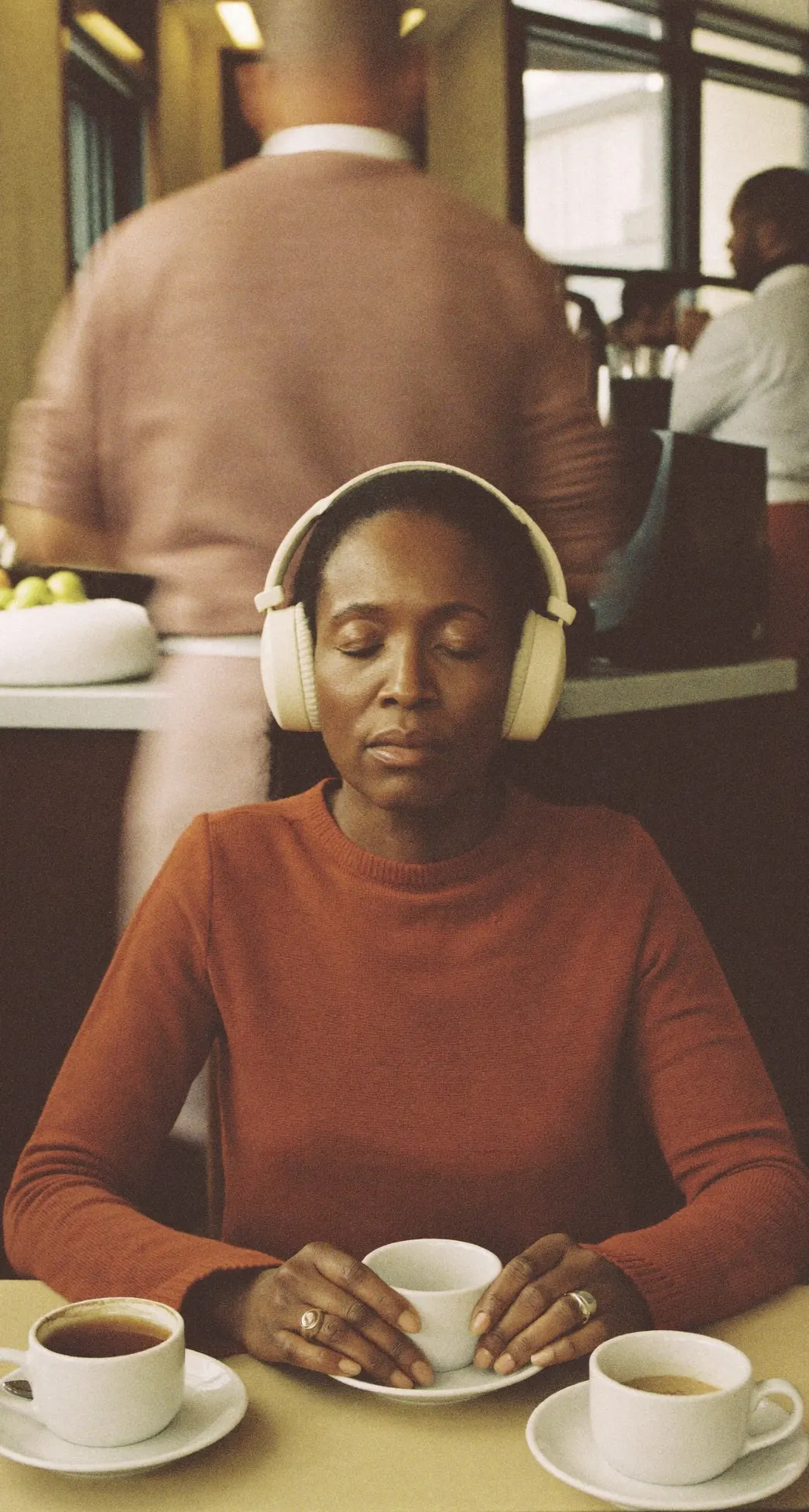
How to calm down when you’re stressed
When it’s been building all day, the breath helps most alongside a few small things:
- Unclench. Jaw, hands, shoulders. Check them again in a minute: they creep back.
- Move. A few minutes’ walk, even to the end of the corridor, gives restless energy somewhere to go.
- Step outside, or at least to a window. Look at something far away.
- Shrink the list. Write down the one next thing. Just one.
When it’s more than one bad hour, breathing exercises for overwhelm are made for that, and breathing exercises for anxiety has breaths for every kind of moment.
How do I calm down before bed?
Keep the out-breath long and the lights low. 4-6 breathing in bed, for 5 to 10 minutes, is a good place to start: in  Breathform it’s Unwind, free, on a dark screen. There are four breaths for four kinds of night in breathing exercises for sleep.
What if breathing doesn’t help?
That happens, and it doesn’t mean you’re doing it wrong. Some days the feeling is bigger than a minute of breathing. Move instead, talk to someone, or come back to the breath in half an hour. If focusing on your breath makes you more tense, keep your eyes open and count things you can see instead.
Questions people ask
Can you calm down in a minute?
Often, yes, at least a little. A minute is enough for six or seven physiological sighs. In one pilot study, students who did a single minute of cyclic sighing or box breathing in a tense moment felt less anxious five minutes later than students who didn’t. If you need longer, give it two or three minutes before you decide it isn’t working.
How do I calm down when I’m angry?
Put some space between the feeling and the reply first: step away, unclench your hands and breathe out slowly for longer than you breathe in. Anger runs hot and fast, so a long out-breath is the right tool. There’s a walk-away script and a cooling breath in breathing exercises for anger.
How do I help someone else calm down?
Slow yourself down first: lower your voice, drop your shoulders and breathe out slowly where they can see you. It’s easier to follow a calm pace than to be told to find one. Short, simple sentences help more than reasons. Saying “calm down” rarely works, but “breathe out with me” often does.
Does counting to 10 help you calm down?
It buys you a pause, and the pause is the useful part. Make it work harder by counting breaths instead of numbers: breathe out slowly on each count, ten times. That turns a 5-second pause into a minute of slow breathing, which is usually long enough to feel the difference.
Practices in this guide
Read next
Technique · 6 min
Physiological sigh (cyclic sighing)Long read · 10 min
Breathing exercises for anxietyGuide · 6 min
Grounding techniquesGuide · 5 min
Breathing exercises for angerGuide · 4 min
Breathing exercises for overwhelmTechnique · 5 min
The 3-minute breathing space
More in Calm
Guide · 4 min
Breathing exercises for panic attacksGuide · 5 min
How to stop hyperventilatingGuide · 4 min
Breathing exercises for grief and low daysLong read · 9 min
Breathing exercises to quit smokingIn the moment · 5 min
Nicotine cravings, breath by breathGuide · 4 min
Sugar cravings and stress eating
Breathe gently, never strain, and stop if you feel dizzy, light-headed or short of breath.