GuideCalm4 min
Breathing exercises for panic attacks
It feels frightening, but a panic attack isn’t dangerous, and it passes. You don’t have to do anything clever. Breathe out slowly, and follow the player.
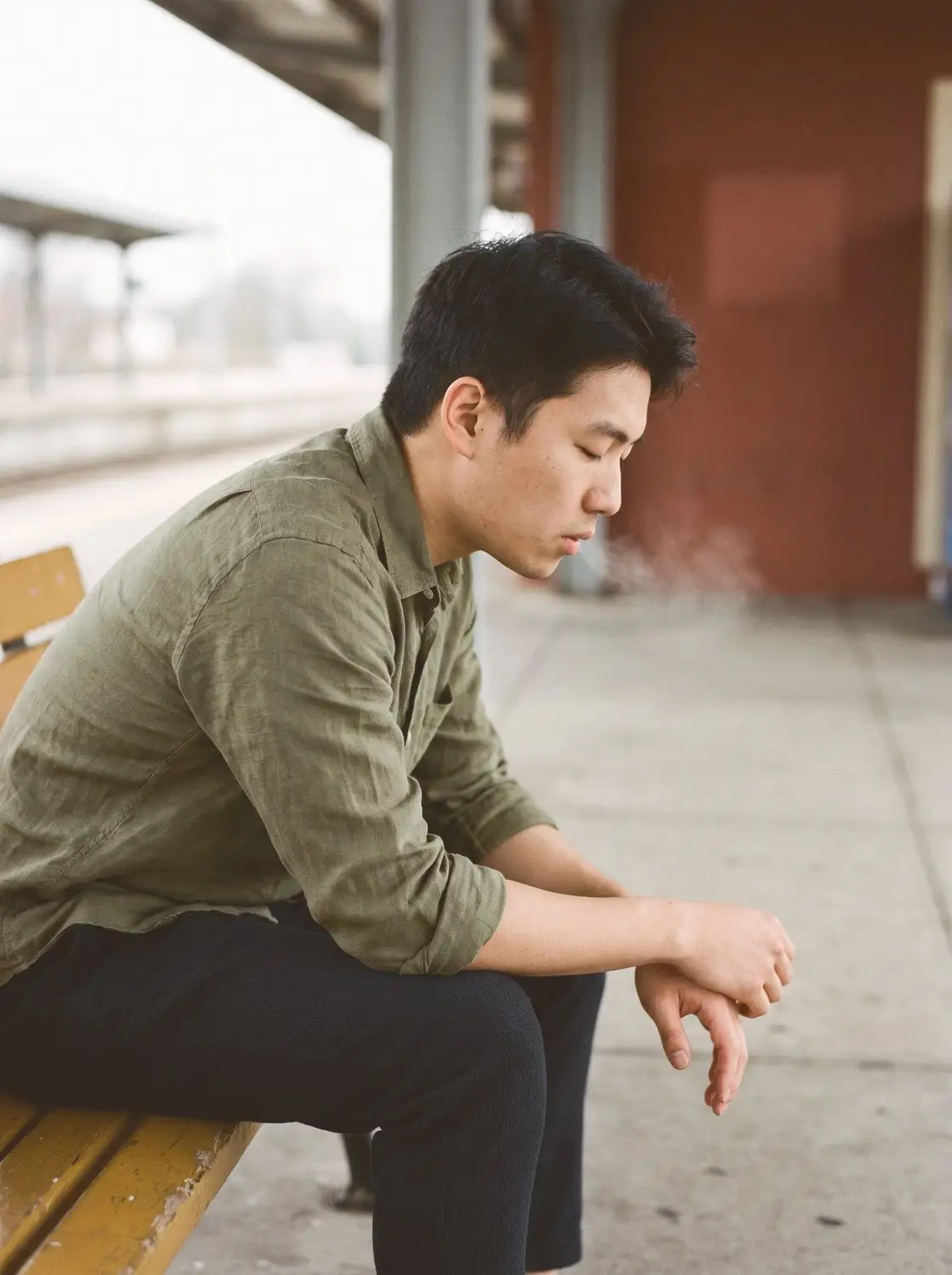
How do you breathe through a panic attack?
Start with short breaths. Then let them get slower.
- Stay where you are. Sit down or lean on something if you can. Put your feet flat on the floor.
- Breathe in gently through your nose for 2 seconds. A small breath is enough.
- Breathe out slowly through soft, rounded lips for 4 seconds, as if you’re cooling a spoonful of soup.
- After a minute, slow down: in for 4 seconds, out for 6. Switch the player to 4-6 breathing.
- Keep going until the wave passes. It will pass. If you can’t breathe through your nose, use your mouth.
Say it to yourself as you breathe out: this will pass.
Do breathing exercises for panic attacks work?
They help, but breathing can’t stop a panic attack like a switch. It does two useful things. It gives your mind one simple job while the fear peaks and fades: follow the pace, here or in  Breathform. And it slows the fast breathing that makes the dizziness and tingling worse.
Most panic attacks last between 5 and 20 minutes, the NHS says. Researchers think low carbon dioxide from over-breathing plays a part in panic. In studies, breathing training that undoes the over-breathing was linked to milder panic symptoms (Meuret and Ritz 2010). In a large review, breathing training also eased anxiety in general, though most of the trials had flaws (Leyro et al. 2021).
Why can’t I breathe during a panic attack?
Your body thinks there’s danger, so it gets ready to run. Your heart beats faster. You breathe faster and higher in your chest.
Breathing fast, you breathe out too much carbon dioxide. That makes your hands tingle, your head spin and your chest feel tight. It feels as if you can’t get enough air. In fact, you’re getting plenty. That’s why big gulps of air don’t help, and slow out-breaths do. There’s more in how to stop hyperventilating and air hunger anxiety.
Should I hold my breath during a panic attack?
It’s better not to. A hold can feel like choking when your chest is already tight. Breathe out slowly instead. It calms you without the squeeze. Many doctors now advise against the old paper-bag trick, too.
If your mind is racing too fast to count, look around. Name five things you can see. Feel your feet on the floor. Then come back to the out-breath. Grounding techniques has more ways to do this.
How can I help someone having a panic attack?
Stay calm and stay close. Your slow voice helps more than the right words.
- Speak slowly, in short sentences. “I’m here. You’re safe. This will pass.”
- Breathe slowly where they can see you. Then ask, “Can you breathe out with me?” Count your out-breath softly: “out, two, three, four.”
- Don’t tell them to calm down, and don’t give them a paper bag. Just keep breathing with them.
- Ask what helps. Some people want space. Some want a hand on their shoulder.
- When it passes, sit with them for a while. They may feel shaky and tired.
What should I do after a panic attack?
Be kind to yourself. Feeling tired, shaky or teary afterwards is normal. Have some water. Sit somewhere quiet for a few minutes, if you can.
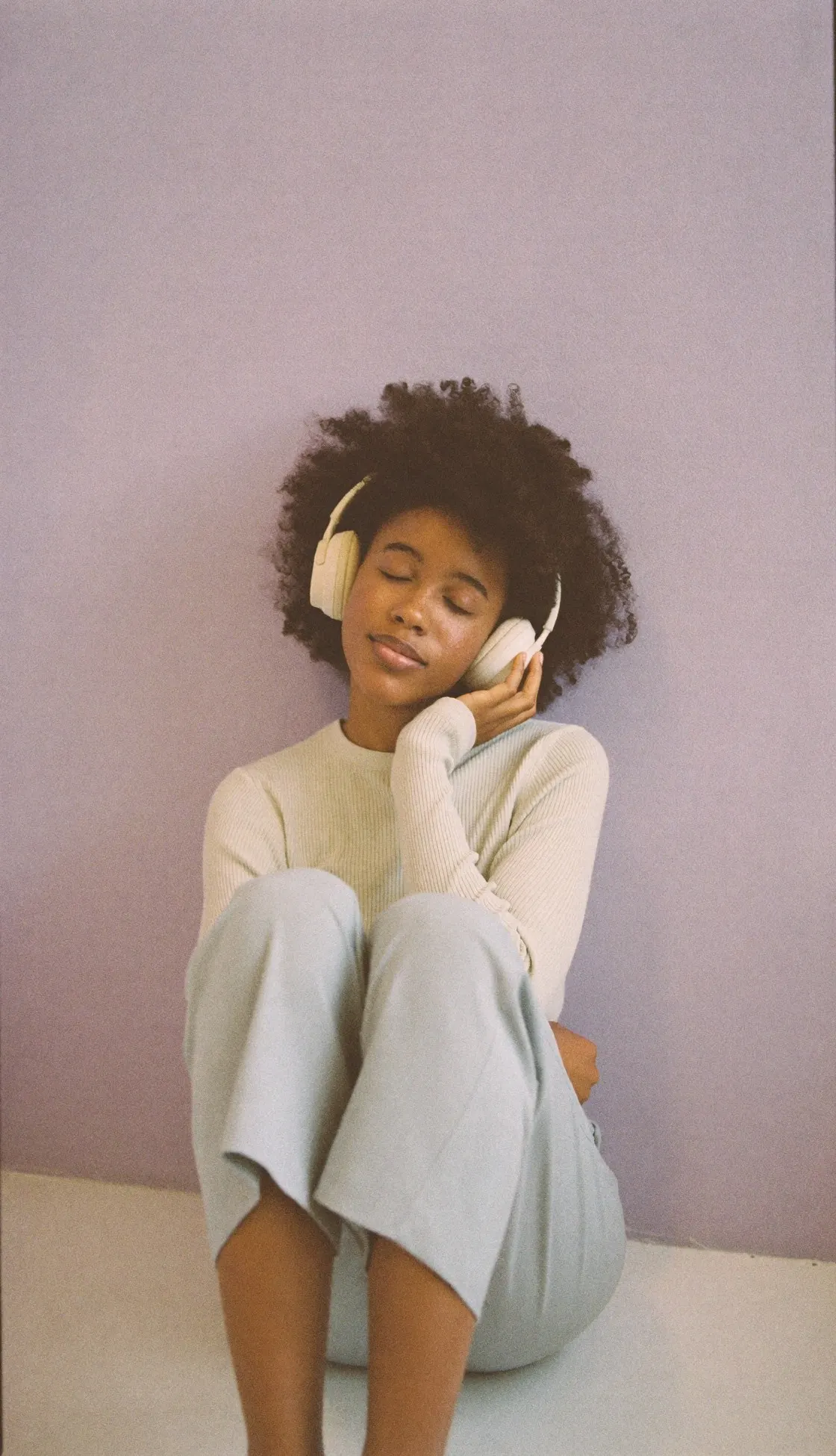
Later, when you’re calm, practise the slow breath for a few minutes. It makes it easier to find next time. How to calm down has a quick one for tense days.
If attacks keep coming back, a GP or therapist can help, and chest pain that feels new, yours or someone else’s, is always worth a check.
Every study on this page (2)
- Meuret and Ritz, 2010: Review: low carbon dioxide from over-breathing plays an important role in panic disorder, and breathing training that reverses over-breathing (capnometry-assisted) is linked to reductions in panic symptom severity.
- Leyro et al., 2021: Across 40 trials with 3,047 people, breathing-based therapies eased anxiety more than comparison groups, but most trials had design flaws.
Questions people ask
How do I stop a panic attack fast?
There isn’t an off switch, and fighting the feeling tends to make it louder. What helps most people is a slow out-breath, feet on the floor and the thought “this will pass”. The fear usually peaks within minutes and then fades. If you keep breathing slowly through the peak, you’re doing exactly the right thing.
Why do my hands tingle during a panic attack?
Fast breathing blows off more carbon dioxide than your body needs. That small change can make your fingers, lips or face tingle and your head feel light. It feels alarming, but it isn’t harmful. It settles as your breathing slows, usually within a few minutes. Breathing smaller and slower, not deeper, helps it settle sooner.
What’s the best breathing exercise for a panic attack?
One with a long, slow out-breath and no holds. Start short, in for 2 seconds and out for 4 through soft lips, because that’s easier to match when your breath is racing. After a minute, slow to in for 4 and out for 6. Box breathing and 4-7-8 have holds, so save them for calmer moments.
Should I practise breathing when I’m not panicking?
Yes, it’s the best time. A breath you’ve practised on calm days is much easier to find in a hard moment. Two or three minutes a day is plenty: with the kettle, on the bus, before sleep. Breathing exercises for anxiety has a few to choose from.
Practices in this guide
Read next
Guide · 5 min
How to stop hyperventilatingGuide · 4 min
How to calm downGuide · 6 min
Grounding techniquesLong read · 10 min
Breathing exercises for anxietyGuide · 5 min
Air hunger anxiety: when you can’t get a full breath
More in Calm
Guide · 5 min
Breathing exercises for angerGuide · 4 min
Breathing exercises for overwhelmGuide · 4 min
Breathing exercises for grief and low daysLong read · 9 min
Breathing exercises to quit smokingIn the moment · 5 min
Nicotine cravings, breath by breathGuide · 4 min
Sugar cravings and stress eating
Breathe gently, never strain, and stop if you feel dizzy, light-headed or short of breath.