Questions people askLearn6 min
What is breathwork?
What is breathwork?
An umbrella word. Breathing happens by itself, but you can also steer it: slower, faster, deeper, through your nose, with a pause. Any practice built on steering it on purpose is breathwork. That covers a few calm breaths before a meeting, a yoga breathing practice and a two-hour class that leaves people lying on the floor in tears. The names for all of it are explained in the breathing glossary.
The easiest way to make sense of it is a scale from gentle to intense.
| Feature | Gentle | Intense |
|---|---|---|
| Examples | Slow breathing, 4-6, box breathing, 4-7-8, humming, alternate nostril breathing | The Wim Hof method, holotropic breathwork, breath of fire, conscious connected breathing |
| The pace | Slower than usual, often with a longer out-breath | Faster than usual, often with long holds |
| How it feels | Calmer, steadier, a little heavier | Tingling, light-headed, energised, sometimes emotional |
| Where | Anywhere, on your own, eyes open or closed | Usually in a class, lying down, with a teacher |
| Research | Most of it | Less, and smaller |
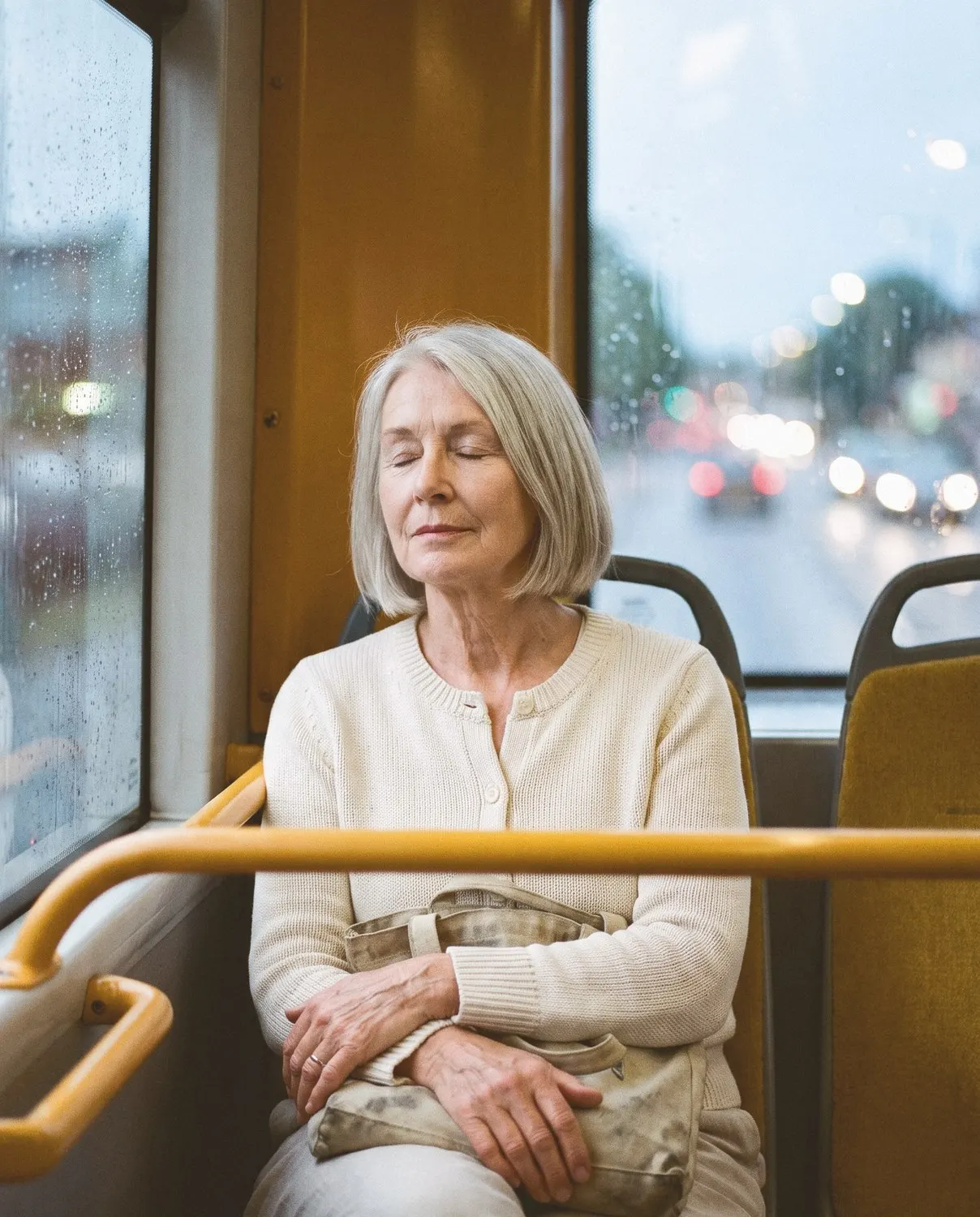
Types of breathwork describes each style in turn, from the gentlest to the most intense.
What does breathwork actually do?
It depends which end you’re at. Slow breathing tilts your body towards rest. Your heart speeds up slightly as you breathe in and slows as you breathe out, so long, slow breaths give the slowing side more time. A review of 223 studies found that slow breathing raised heart rate variability, a marker of that rest side, during practice, after a single session and after weeks of practice (Laborde et al. 2022).
Fast breathing does roughly the opposite. It revs you up, and it blows off carbon dioxide faster than your body makes it, which is why intense classes bring tingling hands and a light head. That’s the intended effect in those styles, and the thing to avoid in calming ones: why deep breathing makes you dizzy explains it.
You’ll also hear that breathwork “detoxes” you or “floods your cells with oxygen”. It doesn’t. At rest your blood is already nearly full of oxygen. Breathwork changes your pace and your carbon dioxide, not your oxygen, and that’s enough to change how you feel.
What are the benefits of breathwork?
The benefits with the most research behind them come from the gentle end:
- Less stress, over weeks. The clearest finding, from many small trials.
- Calmer in the moment. One minute of box breathing in a tense moment was linked to less anxiety five minutes later (Riedl et al. 2026).
- Winding down for sleep. Slow breathing before bed improved how well people said they slept, though sleep-lab measures were inconclusive (Eide et al. 2026).
- Blood pressure. In people with raised blood pressure, regular slow breathing was linked to modest drops (Chaddha et al. 2019).
The best summary is a 2023 meta-analysis of 12 randomised trials with 785 adults. Breathwork lowered self-reported stress a little more than control conditions, a small-to-medium effect, with similar results for anxiety and low mood. Ten of the 12 trials used mainly slow breathing, and most had a moderate risk of bias (Fincham et al. 2023).
For anxiety, a review of 40 trials found breathing practices helped more than control conditions, but 35 of those trials were rated at high risk of bias (Leyro et al. 2021). In a month-long trial of 5 minutes a day, every group felt better after each session, including a fast-breathing-with-holds group; a slow sighing breath lifted positive mood more than mindfulness meditation (Balban et al. 2023). Intense styles with fast breathing can feel like panic to an anxious body, so if anxiety is why you’re here, start gentle, with breathing exercises for anxiety.
So: real, modest benefits, mostly measured for gentle, slow breathing, and mostly in how people say they feel. More on the body side is in the benefits of slow breathing.
How well each breath is studied
- Coherent breathingWell studied
- 4-6 breathingWell studied
- Box breathingSome evidence
- Humming bee breathSome evidence
Every study on this page (8)
- Laborde et al., 2022: Across 223 studies, slow breathing raised heart-rhythm signs of calm, during practice and after, though that alone doesn't prove a health benefit.
- Riedl et al., 2026: In a small pilot, one minute of box breathing or cyclic sighing in tense moments eased students' anxiety more than no exercise.
- Eide et al., 2026: Across nine studies, slow breathing before bed improved how well people felt they slept, but sleep-lab and tracker results were inconclusive.
- Chaddha et al., 2019: Across 17 trials in people with high or borderline-high blood pressure, regular slow breathing modestly lowered blood pressure, though results varied.
- Fincham et al., 2023: Pooled trials suggest breathwork modestly eases stress, anxiety and low mood compared with control groups, though most trials had weaknesses.
- Leyro et al., 2021: Across 40 trials with 3,047 people, breathing-based therapies eased anxiety more than comparison groups, but most trials had design flaws.
- Balban et al., 2023: Five minutes a day of cyclic sighing lifted mood a little more than mindfulness meditation, in 108 adults.
- Zaccaro et al., 2018: In 15 small studies of healthy people, slow breathing was linked with feeling more relaxed and alert, and less anxious.
Breathwork or meditation: what’s the difference?
In most meditation, you notice your breath without changing it: it’s an anchor for your attention. In breathwork, you change it on purpose. They overlap a lot, and plenty of people do both. If sitting still with your thoughts feels hard, breathwork can be an easier way in, because the count gives you something to do. If you’d like the noticing kind, see mindful breathing.
What does breathwork feel like?
Gentle breathwork mostly feels calm, a little slower and heavier, and it suits nearly everyone. If your breaths get too big, you may feel light-headed or notice tingling fingers, which pass when you breathe normally. Comfort comes first: if a count or a hold feels like too much, shorten it.
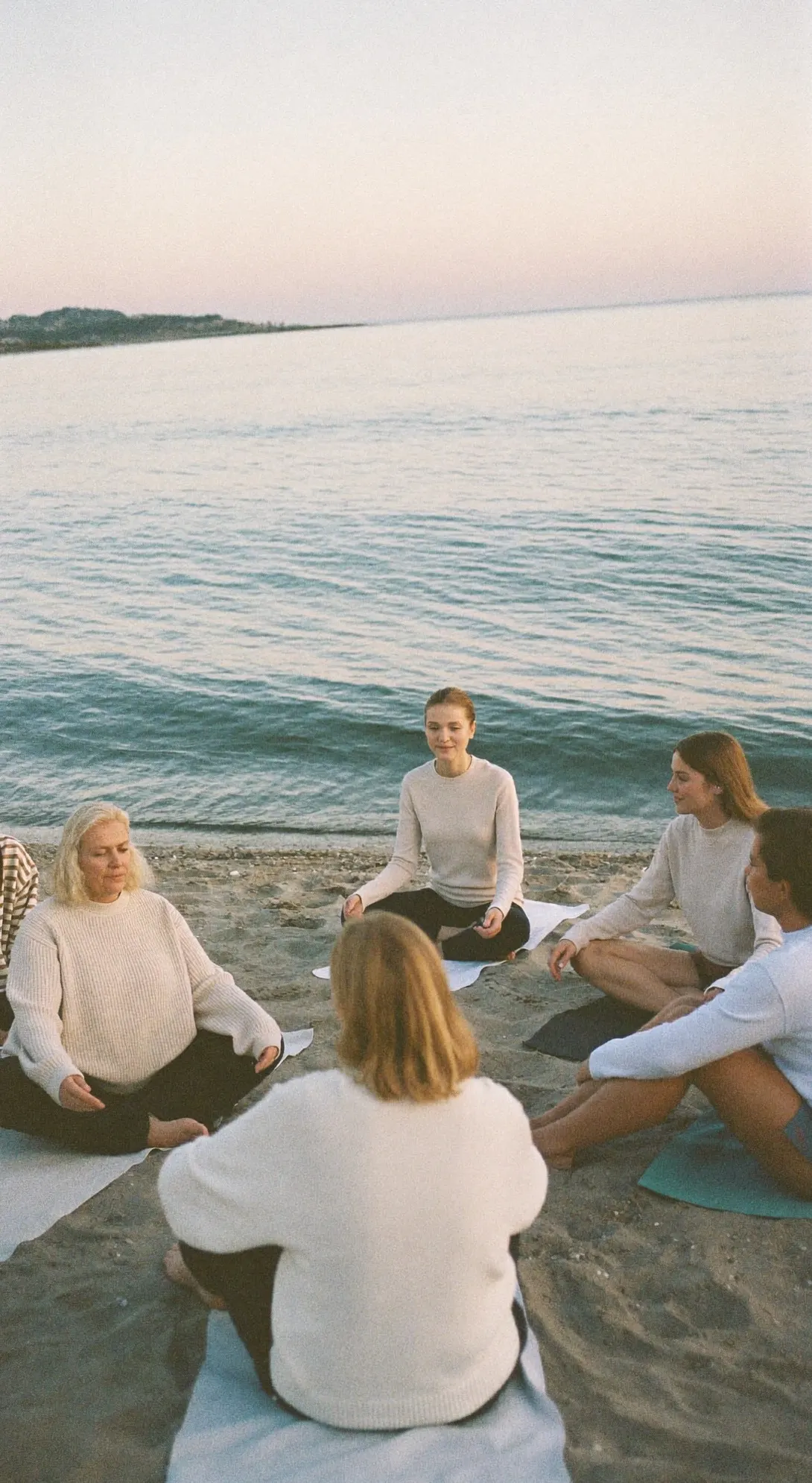
Intense breathwork asks more of your body. Fast breathing and long holds can make you dizzy, tingly or faint, and they can stir up strong feelings. That’s why it’s done lying down or seated, ideally with a teacher, and never with breath holds in or near water. If you’re pregnant or have a health condition, stay at the gentle end.
How do you do breathwork at home?
Start gentle, and start small. This is the classic first breath: coherent breathing, 6 breaths a minute.
- Sit with your back supported and your feet flat, one hand on your belly.
- Breathe in through your nose for 5 seconds, low into your belly.
- Breathe out for 5 seconds, through your nose or soft lips.
- Keep it soft. If you feel light-headed, make the breaths smaller, not bigger.
- Carry on for 3 to 5 minutes, once a day.
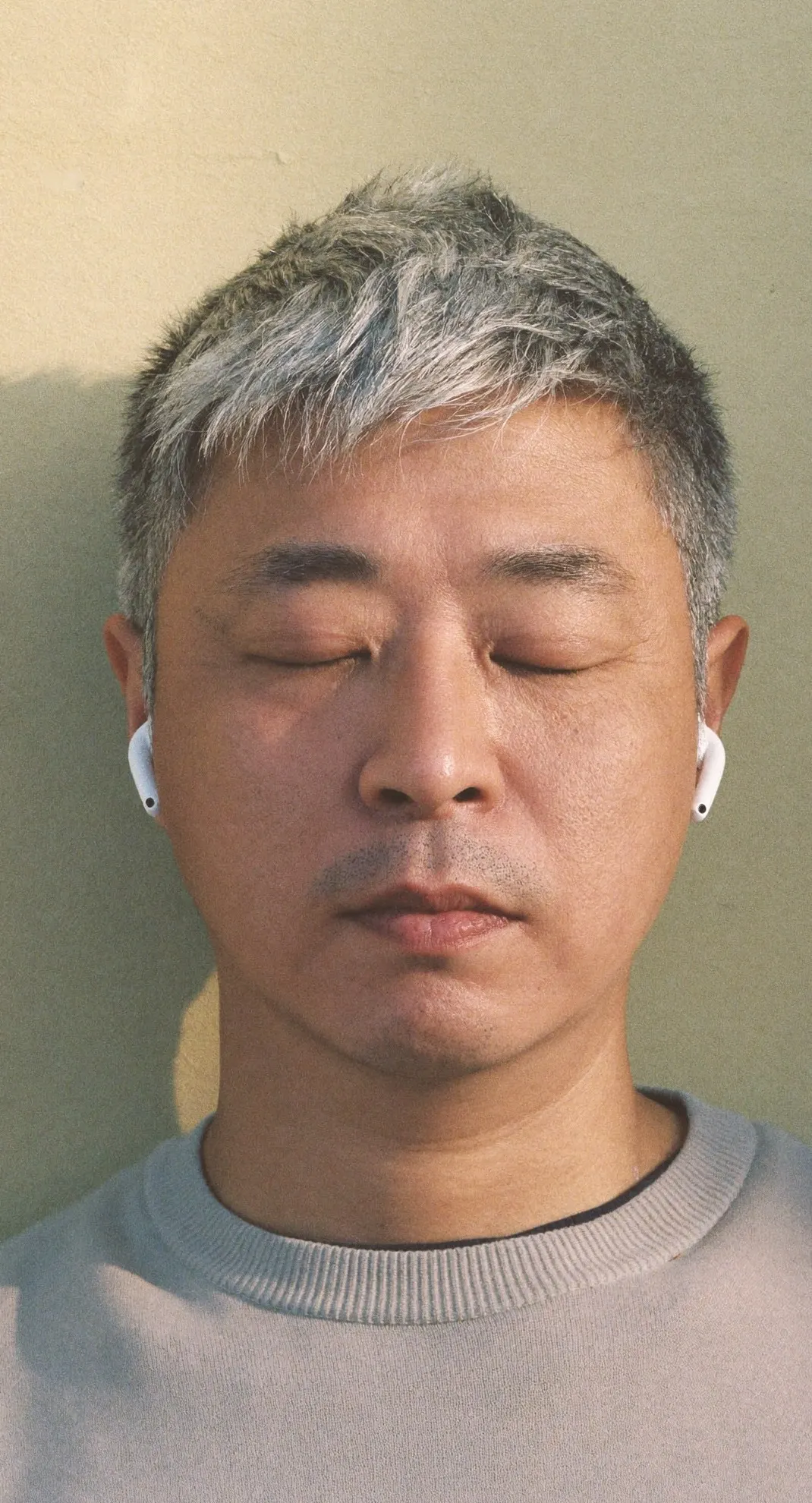
When that feels easy, try a different one for a different moment: 4-6 breathing to wind down, box breathing before something, or a quiet hum on the out-breath.
Breathing exercises for beginners has a gentle 7-day plan, and how to breathe properly covers the everyday basics.
Why do people cry during breathwork?
Often, especially in longer or more intense sessions. Slowing down and turning towards your body can let feelings surface that you’ve been too busy to notice. There’s little research on why, so take confident explanations with a pinch of salt. If it happens, let it. Rest, and breathe normally until you’re ready.
Can I teach myself breathwork?
The gentle kind, yes. Slow breathing, a longer out-breath and box breathing are easy to learn from a page or an app like  Breathform, and much of the research was done that way: people practising on their own with audio or an app. For the intense styles, learn with an experienced teacher first, in person, where someone can see how you’re doing. Somatic breathing sits in between: gentle, body-focused and easy to start alone.
Questions people ask
How long is a breathwork session?
Anything from one minute to over an hour. Gentle breathwork at home is usually 2 to 15 minutes, and the studies we cite used 1 to 20. Classes in the more intense styles often run an hour or more, with time to rest afterwards. If you’re starting out, a few minutes a day is plenty, and you can build from there.
What is the Wim Hof method?
It’s a popular style of intense breathwork: rounds of fast, deep breaths followed by a long breath hold, often paired with cold showers or ice baths. People report feeling energised. Research on the method itself is limited, and the fast breathing and holds can make you light-headed or faint, so it’s done sitting or lying down, on dry land. Types of breathwork puts it next to the other intense styles.
Is breathwork spiritual?
It can be, but it doesn’t have to be. Some breathwork comes from yoga’s pranayama, where breath has a spiritual meaning, and some classes have a ceremonial feel. Most of the breathing on this site is plain physiology: slowing down, a longer out-breath, a steady count. You can enjoy the traditions or ignore them. Either way, the breath works the same.
Practices in this guide
Read next
Questions · 6 min
Types of breathwork, from gentle to intenseQuestions · 5 min
Breathing exercises for beginnersResearch · 10 min
Slow breathing benefits: what it does to your bodyTechnique · 5 min
Somatic breathingLong read · 9 min
How to breathe properly
More in Learn
Side by side · 6 min
Best breathing techniques: one honest tableQuestions · 5 min
Why does deep breathing make me dizzy?Side by side · 5 min
Box breathing vs 4-7-8: which to use whenSide by side · 6 min
Nose breathing vs mouth breathing: what the evidence saysSide by side · 5 min
Chest breathing vs belly breathing: where your breath goesSide by side · 5 min
Is mouth taping safe, and does it work?Questions · 5 min
Normal breathing rate, and why slower calmsQuestions · 5 min
Why do I sigh so much?
Breathe gently, never strain, and stop if you feel dizzy, light-headed or short of breath.